Through a Farmer’s Eyes: Raising Livestock in Iraq – by Art Free
The attack on the World Trade Center on September 11, 2001, changed our lives forever. For me, it meant an intensified commitment to serving in the U.S. Army Reserve, where I had been commissioned as a second lieutenant in 1982 at Texas A&M University. By December 2003, our unit was called to action. We reported to Fort Hood, Texas, completed our training, and within thirty days deployed to Iraq as part of Operation Iraqi Freedom II. I served as an operations officer for the engineer section, supporting maneuver units across the theater of operations, traveling extensively by air and vehicle.
Observing the Desert Life of Kuwait
We first established operations at Camp Udari, Kuwait, after picking up our equipment at the port in Kuwait City. Kuwait lies within the Syrian Desert, an expansive and unique ecosystem of flat to rolling hills with mostly bare soil. I often described it to folks back home as even more vast than the Texas Panhandle—“you can look farther and see less than anywhere else in the world!”
The desert seemed inhospitable at first, but I soon realized how people survived. After dark, lights would appear across the landscape—sheep camps. Flocks of 200 or more sheep moved across the desert under the watch of a shepherd, with tents and trucks providing water and shelter. These mobile setups reminded me of the sheep wagons of the American West, where resources and livestock had to move across vast, barren lands.
Even in the apparent emptiness, small, nutrient-rich plants sustained the animals, allowing them to graze over large areas. Observing this system made me reflect on the ingenuity and resilience required to live off the land in harsh conditions.
Livestock Practices in Central and Northern Iraq
Once our mission moved into Iraq, I resumed my role as an engineer operations officer in Baghdad. Traveling through Central Iraq, I noticed a transition in terrain and vegetation. Grazing land supported both sheep and goats, often in smaller communal flocks managed by a shepherd. Farms were modest, combining crops and livestock, with animals often grazing along canal banks, roads, or fallowed fields.
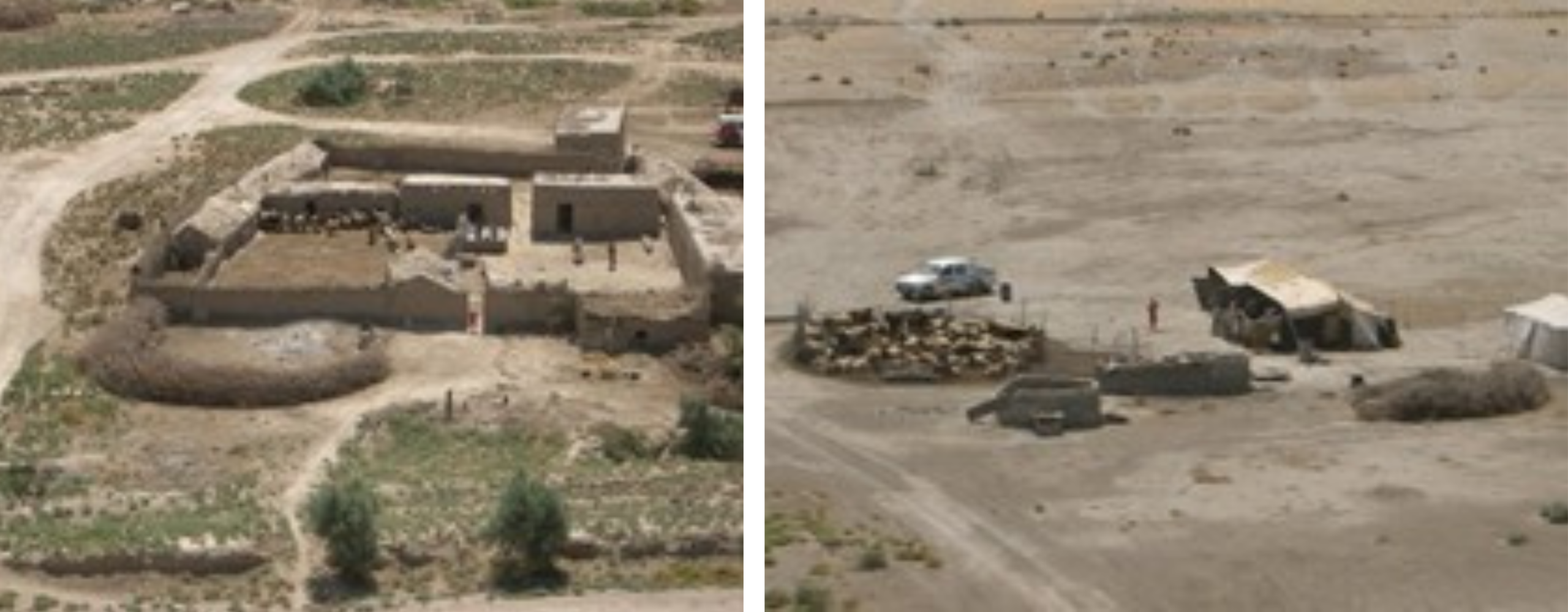
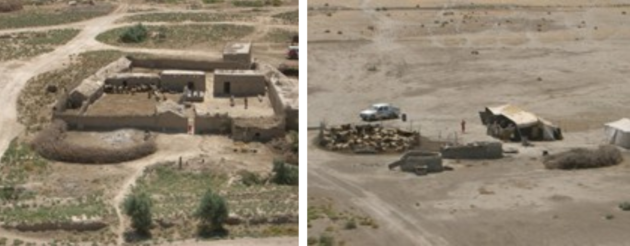
Flying over Iraq in helicopters revealed larger herding camps, sometimes with canvas or animal-skin tents, camels grazing nearby, and even pickup trucks—a modern touch in an otherwise ancient-seeming practice. Permanent winter encampments with adobe-style buildings were also visible, showing adaptation to seasonal extremes.
In Northern Iraq, rolling prairies and shallower soils reminded me of the Flint Hills of Kansas. Flocks were structured as part of a shepherd-training system: young children managed small groups near home, teens tended medium-sized herds further afield, and experienced adults oversaw the largest flocks. This method built responsibility, self-reliance, and skills—echoing biblical lessons, like David tending sheep before facing Goliath (1 Samuel 17:34-36).
Livestock, Culture, and Food Systems
Throughout Iraq and Kuwait, livestock was raised primarily for sustenance, converting inedible vegetation into protein. Local processing often occurred at small open-sided sheds, where animals were harvested and sold fresh to the community. These practices, though foreign to modern U.S. standards, resemble historic systems around the world, including my own upbringing in rural Texas.
Camels were abundant in the desert, serving as beasts of burden and providing meat, milk, leather, and wool. In central regions, water buffalo were raised for meat and milk, while small dairy operations kept Holstein and Jersey cows. Large industrial dry-lot dairies in Kuwait resembled operations in the western United States, supplied with alfalfa hay transported in trucks.
Faith, Stewardship, and Tradition
Observing these practices, I reflected on humanity’s longstanding relationship with animals. Across cultures, religions, and regions, animals have been a source of food, labor, and materials. Sacred texts reflect this responsibility:
- Genesis 9:1-5 reminds us that all living creatures are entrusted to humans but must be treated with care.
- The Quran (Al-An’am 6:141-145) emphasizes moderation, avoiding waste, and using animals responsibly.
The lessons are clear: animals provide sustenance, and humans are stewards of these gifts. Even with modern technology, the essentials of survival and husbandry remain unchanged across centuries.
Reflections on Modernization and Food Security
Since Operation Iraqi Freedom, Iraq has made strides toward modernizing its livestock systems, building modern abattoirs (slaughter houses) to meet population demands. Yet, witnessing the small-scale, traditional practices in Iraq and Kuwait reminded me of the skills and resilience required to live close to the land—a connection quickly fading in industrialized societies.
From small shepherds tending flocks to camels roaming the desert, from fresh meat markets to modern dairies, the story of livestock in Iraq is a testament to human ingenuity, faith, and adaptation. As we continue to face global challenges, these observations serve as a reminder: the fundamentals of survival, stewardship, and responsible care remain vital, even in a rapidly modernizing world.