The Pastor’s Piece – Pastor Kevin Cernek, FCFI Chaplain
FCFI
October 4, 2026
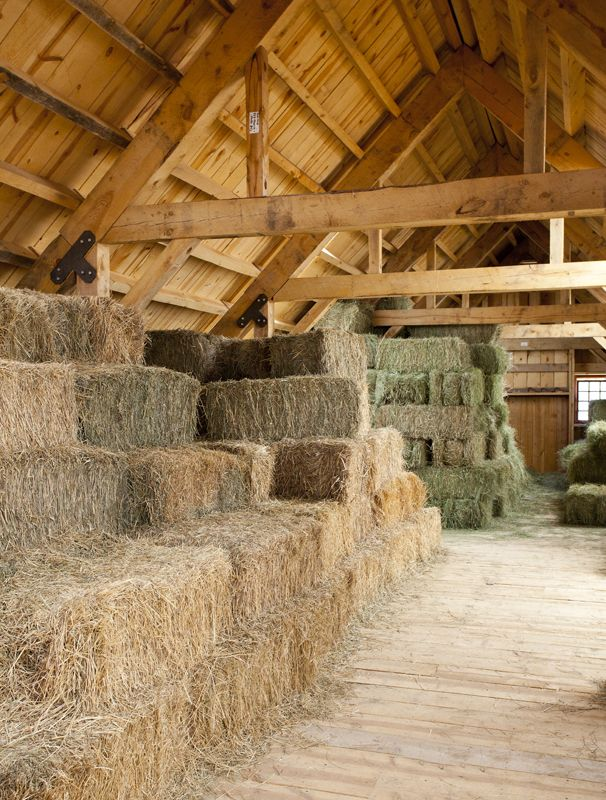
Farm kids called it a hay mow. Our non-farm cousins called it a hayloft. But we never called it that. Hayloft sounded way too soft and easy. A hay mow was where you stacked hay, sweated through your clothes, got covered in cob webs and even had to fight off spiders, bees and wasps.
The hay mow changed with the seasons. In summer it was a place of hard work; in winter it became a place of imagination, competition, and fun. During the summer, we sweated through long, hot days mowing hay – which, by the way, did not seem to hurt us one bit.
It all started with the hay bales dropping from the overhead elevator which was stuck through a door that was cut out of the side of the barn. As the bales came tumbling down one at a time, first, we dodged them so as not to get hit and knocked to the floor. Then we stacked them one on top of another, working our way higher and higher toward the peak of the barn.
The dust and sweat mixed together to create a special kind of itch that you never quite forgot. That sweaty mix would work its way into the scratches on your arms giving you a certain level of discomfort on top of everything else while you worked. The higher the stack got, the hotter it became. By the time we reached the peak of the barn, it was a regular sweatshop in there. And it wasn’t just the heat and dust we had to contend with. There were bees and wasps that liked to hang out at the top along the steel track – and spiders too. Sometimes it was hard to tell the difference between the sweat running down your back and an actual spider trying to make a getaway. One thing was for sure, you didn’t have time to worry about it because more bales were coming at you. You could yell if you wanted to, but why bother? No one would hear you or take notice due to the tractor and elevator noise down below. And even if they did, they’d pretend they didn’t. Besides, everybody had their own job to do and no one was worried about you in the least. You had to figure it out and keep up.
But once the hay mow was full at the end of summer, it took on an entirely different identity. The work was done, the barn was full, and now we had ourselves an indoor playground. While the snow blew outside, we built forts and tunnels inside. The older brothers and cousins built elaborate forts with secret passages that seemed to go on forever. The younger ones built smaller forts and tunnels closer to the surface. We divided into teams and pretended we were at war with each other, defending our forts and plotting ways to surprise the other side.
Sometimes we even camped up there when our cousins came to spend the night. Before settling in, we’d ride our bikes into town to the country store and buy an 8-pack of RC Cola and other tasty treats. The RC only came in bottles. At nine cents each, we could get a whole 8-pack of 16 ounce bottles of pop for 75 cents total, including tax. That was plenty for two people to drink throughout the night.
One time, my brother decided to build a trap in one of his tunnels to catch us younger kids. He pulled some bales out from underneath and laid two thin boards across the opening. Then he covered the boards with loose hay. As we crawled along through his tunnel, we suddenly fell right through and disappeared into his trap.
But perhaps the most memorable trick involved a dead raccoon. My brother wanted to spook his city cousins, so before they got there, he brought a road-kill raccoon up into the hay mow. He took it deep into one of his tunnels, tied a piece of twine to its foot, and left it just out of sight. Then he invited our cousins to follow him into the tunnel on their way to his fort. When they were in the tunnel, he grabbed the twine with the dead coon attached, dragging it behind him and in front of our cousins. The cousins suddenly came upon what they thought was a live raccoon moving through the tunnel. You can imagine the chaos that ensued. It’s a story we still laugh about to this day. It’s a wonder we didn’t contract some kind of dead coon disease.
As winter wore on and we continued feeding the cows in the barn below, the hay mow gradually began to empty. And as it did, another transformation took place. First, our basketball backboard would begin to appear along the wall, and then the hoop altogether. Then more floor space. Eventually, we had a regular half-court basketball floor – and enough room to have two on two tournaments with our cousins. The hay mow was now our gymnasium. On Saturdays, snow days, and days off from school, we’d hold basketball tournaments complete with brackets and announcers. When we weren’t playing, we were up on top of the surrounding bales, announcing the games on a tape recorder, doing our best to sound just like the broadcasters on the radio. We took it all pretty seriously.
Eventually, the hay mow would be completely empty. The wooden floor, made shiny from years of dragging hay bales across it, would be exposed once again. And that meant one thing: it was time to start the cycle all over again. Another summer. Another hay harvest. Another long stretch of hot, dusty, itchy days stacking bales. And before long, the hay mow would be full again, ready to become a playground once more.
Looking back, I realize that the hay mow was more than just a place where we stacked hay and played. It was a picture of life. Today, the hay mow is mostly a thing of the past, having gone by the wayside along with the small family dairy farm. But the memories remain, and so do the lifelong lessons. There were seasons when it was hot, dusty, itchy, and hard. There were other seasons when it became a place of laughter, imagination, competition, and memories that have lasted a lifetime.
The hay mow reminds me that God can use every season of our lives for His purposes. The hard seasons are not wasted, and the joyful seasons are gifts to be enjoyed and remembered. And just as we knew that another hay harvest would eventually come, we can trust that God is faithful through every season of life. It tells us in Ecclesiastes 3 that there is “a time for every matter under heaven.” The important thing is not simply the season we are in, but whether we are trusting God in the middle of it. God is present, and no matter what the season, it is never wasted when it is lived for Him.
(Kevin Cernek is Pastor of Martintown Community Church, Martintown, Wisconsin)