The Pastor’s Piece – Pastor Kevin Cernek, FCFI Chaplain
FCFI
September 13, 2026
Growing up on the farm in the 1960s and ’70s was a remarkable experience. Life was hard work, but there was something special about those days. We didn’t have all the conveniences of today’s modern farming, so much of what needed to be done required a lot of time, muscle, and ingenuity.
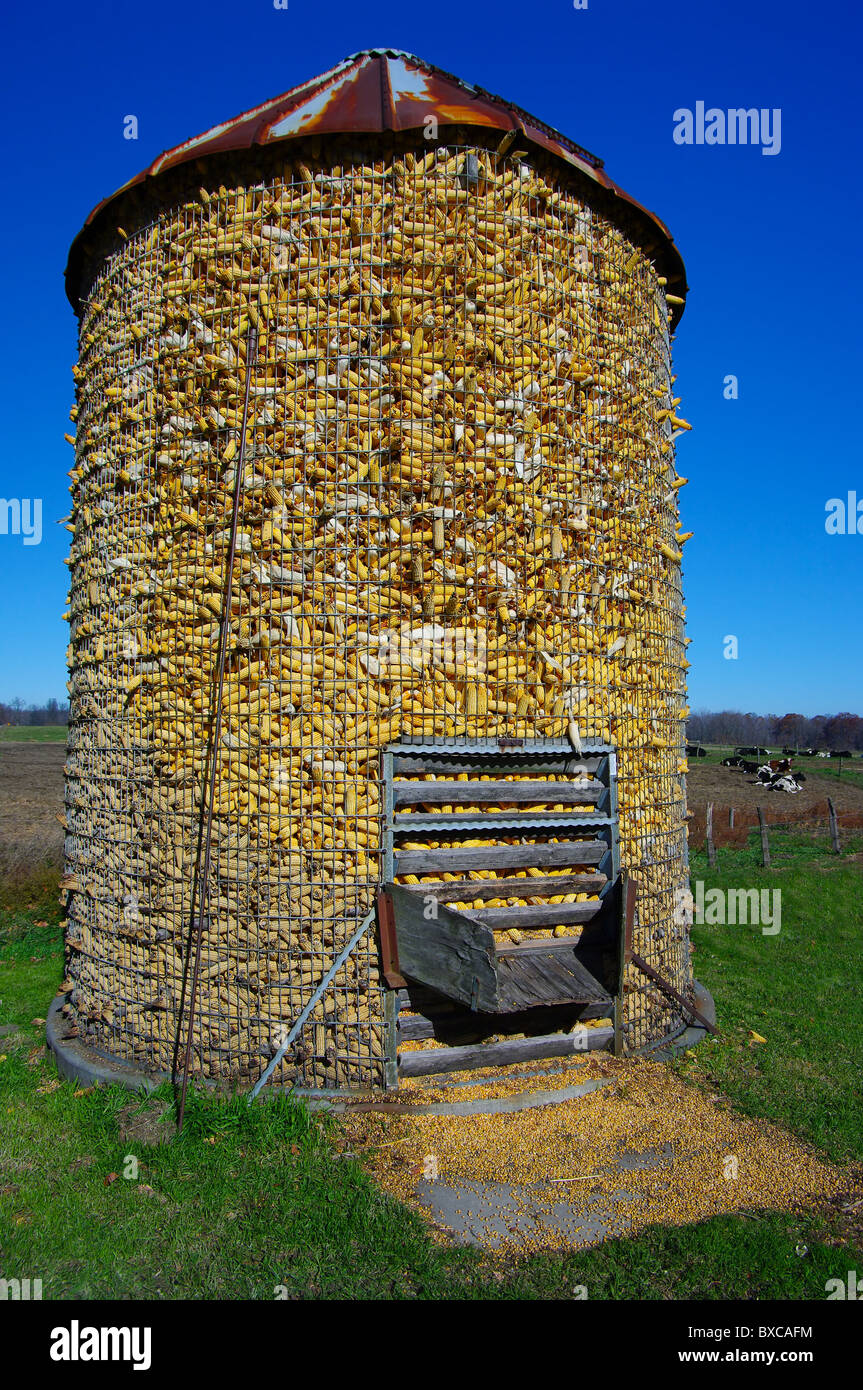
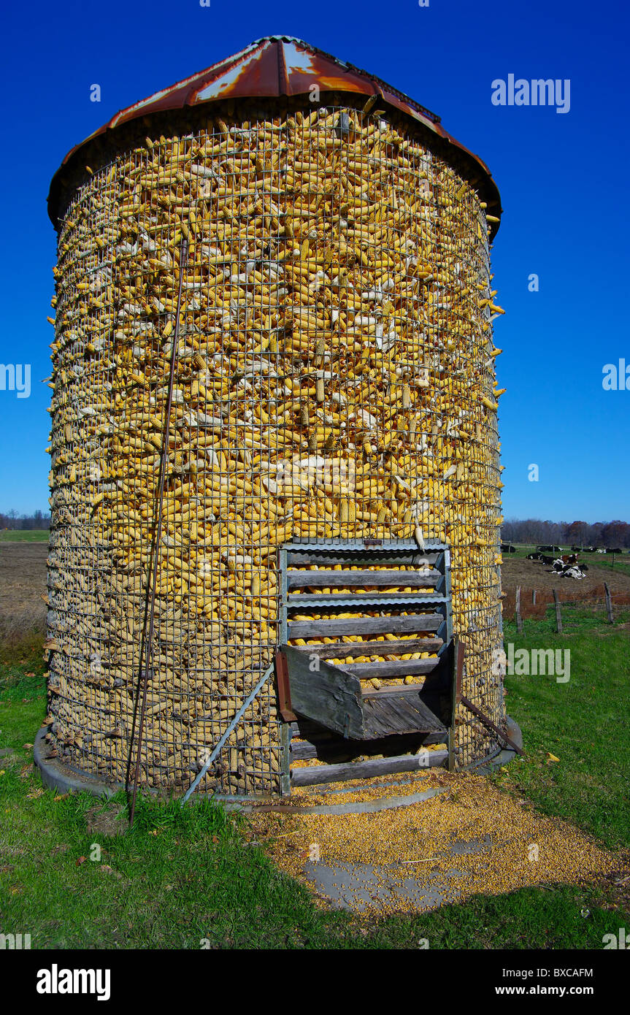
On one of the farms where we lived, we had two wire corn cribs and two steel grain bins. The cribs were for ear corn. The grain bins for shelled corn. When I say wire corn cribs, what I mean is these were heavy galvanized steel rods welded together into large panels that were connected to form the crib. Each crib had a concrete floor with a channel down the middle for air. As the crib was filled, wire tubes were placed inside so air could move through the ear corn and help it dry, preventing mold and spoilage. Each crib held about 1,500 bushels of corn.
Dad generally started shelling corn in the fall. The shelled corn would be run through the corn dryer, while later in the season, after the corn had naturally dried on the stalk, he would pick the ear corn and fill the cribs. During the winter and summer, some of that ear corn would be ground into feed for the cows and heifers, while the shelled corn was kept as a cash crop.
We had a Kewanee elevator that we used to fill the cribs. It had to be cranked into position by hand, then connected to the tractor PTO. It was difficult to crank. Each of us kids would crank our age – one rotation for every year old we were. We got a kick out of the fact that dad always had to do the most cranks.
One summer, Dad purchased a new grain dryer. The dealer offered him a better price if he would help assemble it himself, so Dad spent his free days that summer at the dealer’s shop putting the dryer together. Eventually, he brought that brand-new grain dryer home behind his pickup. The dryer could dry 150 bushels at a time. Depending on the moisture content of the corn, each batch would take anywhere from two and a half to four hours to dry.
Dad built an extension on top of the dryer that could hold another 200 bushels of wet corn. When one batch was finished, he would unload the dryer and open the slides, allowing the corn waiting above to drop into the dryer. That meant that when he got up in the middle of the night to unload and reload the dryer, he didn’t have to start the tractor and move wagons. The dryer didn’t automatically unload. Dad had to be there to throw the unload switch on the dryer and start the auger that carried the corn to the bin.
At night, Dad would start the dryer before going to bed. When the batch was finished, the dryer would shut off. From his bedroom window, he could hear it. He would get up, go outside, unload the dryer, open the slides, refill it with the corn waiting above, and then go back to bed. Those were his humble beginnings.
Now on to the corn cribs – As the ear corn was gradually ground into feed, it would gravity-feed toward a door on one side of the crib. I remember one particular day when my cousins and I were playing in the corn. There was just barely enough room for us to squeeze in the opening between the top of the door and the corn. Once inside the crib, that huge pile of corn was like a mountain. We would climb up the sides and slide back down to the bottom. We did that a few times on one occasion when suddenly a large amount of corn broke loose. My cousin, who was probably eight or nine years old, was caught in the flow. The corn pushed her against the wire side of the crib and pinned her there. She couldn’t move. She started screaming. We were scared half to death and ran to get Dad who was in the barn milking. He came running and opened the top section of the wire crib, allowing the corn to spill out onto the ground. As the corn poured out, the pressure was released, and Dad was able to rescue my cousin.
I remember being relieved that she was safe, but I also remember thinking about the mess we had created. All that corn was now scattered on the ground, and somebody was going to have to clean it up. And I knew who that somebody was going to be.
So there’s a bit of a lesson there. We had been playing in a place where we shouldn’t have been. Our ignorance did not eliminate the danger or make it disappear. And when we got ourselves into trouble, Dad didn’t stand at a distance and simply tell us what we had done wrong. He came and rescued us. The consequences still had to be dealt with, but the rescue came first.
Sometimes we get ourselves into trouble because we are playing in places God never intended us to be. Sin can look harmless at first. We may think we’re just having fun or we know what we’re doing. But what we don’t recognize is that what appears harmless can eventually gain control over us and leave us trapped. Proverbs 14:12 says, “There is a way which seems right unto a man, but the end thereof are the ways of death.”
We can make foolish choices and suffer consequences for them, but God is still, by His grace, willing to rescue those who turn to Him. The spilled corn still had to be cleaned up. Our choices will always have consequences. But consequences don’t mean God has abandoned us. God’s commands are not designed to keep us from enjoying life. They are designed to keep us from being buried by something we thought was harmless.
(Kevin Cernek is Pastor of Martintown Community Church, Martintown, Wisconsin)