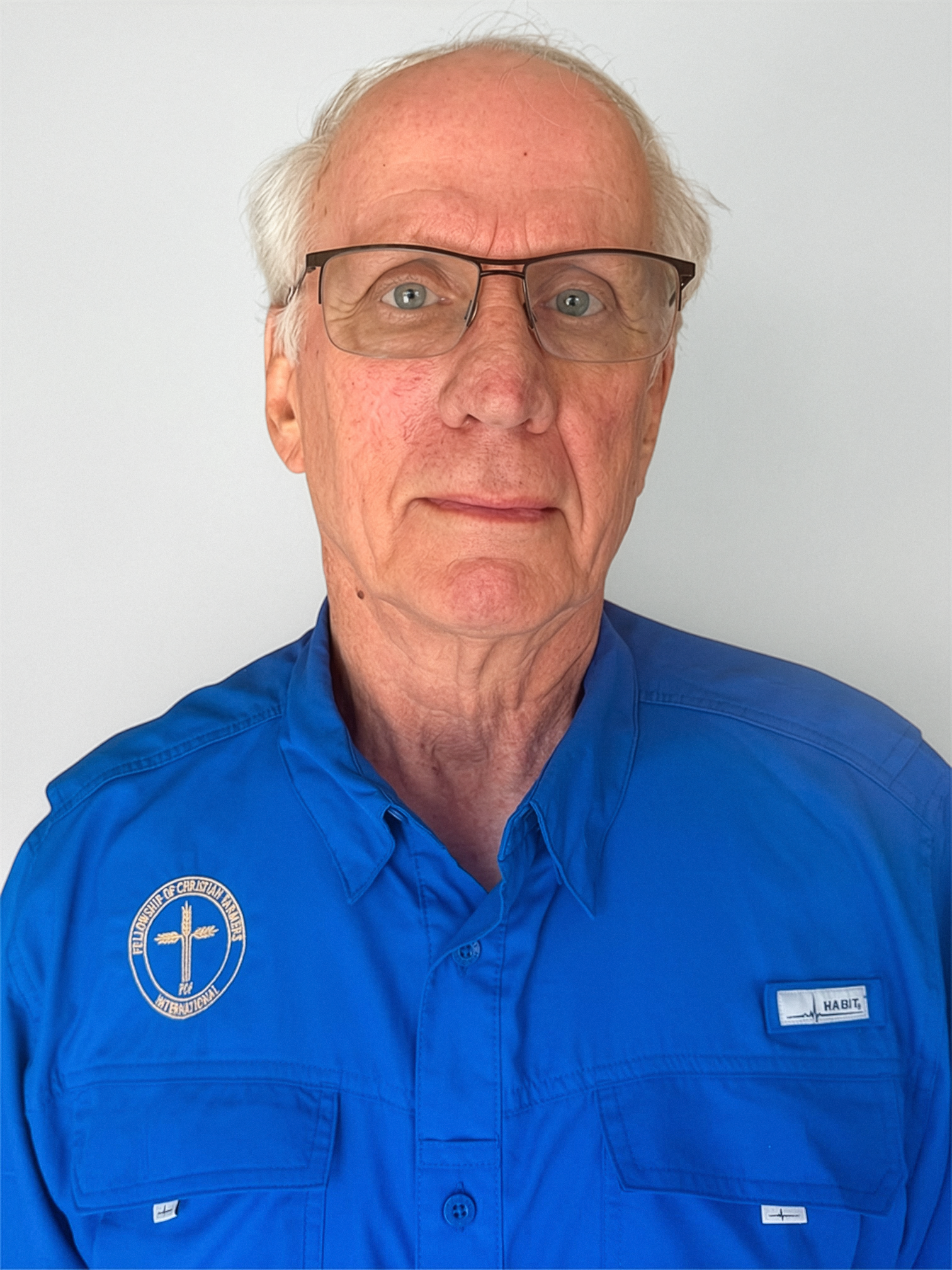
Equipping the Next Generation Through Biblical Discipleship – by David Breeden
At the 2026 FCFI Conference in Branson, Missouri, David Breeden shared a message centered on the importance of biblical discipleship and preparing the next generation to live out their faith in a challenging world.
Breeden serves as a discipleship director for men, while his wife, Debbie, serves in discipleship ministry for women. Their work includes developing opportunities to disciple FFA students and others through intentional, one-on-one relationships.
One of the challenges they encounter is working with students under the age of 18. Parental permission is required, and there can also be uncertainty about a student’s spiritual background. These challenges have reinforced the importance of prayer, relationships, and intentional discipleship.
Discipleship Goes Beyond Knowing Scripture
Breeden explained that discipleship is more than memorizing Bible verses or participating in church activities. A disciple of Jesus Christ should allow God’s Word to shape every area of life.
He pointed to passages such as Ephesians 5 and Ephesians 6, emphasizing that discipleship should be evident in relationships, marriage, parenting, and everyday conduct.
A disciple should seek to become a godly husband or wife, a faithful parent, and an active member of the body of Christ. Discipleship should affect not only what a person knows, but also how that person lives.
Breeden also emphasized Jesus’ teaching in Mark 12:29–31: to love God with all one’s heart, soul, mind, and strength, and to love one’s neighbor as oneself.
For Breeden, this provides a clear picture of Christian maturity. The goal of discipleship is to help people grow in their love for God and their love for others.
Learning to Apply God’s Word
Breeden introduced a framework for understanding how Scripture applies to everyday life. Some passages are descriptive, explaining historical events and circumstances. Others are prescriptive, showing believers what they should do or what they should avoid.
He encouraged believers to take the next step by personalizing God’s Word. Instead of focusing primarily on what someone else should do, Christians should ask, “What does God want me to do?”
He also encouraged people to recognize progress in their spiritual lives. Just as a worker might initial a checklist after completing a task, believers should be able to see evidence that they are increasingly putting God’s Word into practice.
The goal is not simply to own a Bible, display one in the home, or know what Scripture says. The goal is to live it out.
Preparing for Temptation
Breeden challenged the audience to consider how they are preparing themselves and younger generations for the challenges they will face.
Drawing from Ephesians 6:10–17, he emphasized the importance of putting on the full armor of God. Christians will face trials and temptations, and preparation should begin before those challenges arrive.
This is especially important for young people as they leave home, enter college, begin careers, or take on new responsibilities. They will encounter situations where their faith will be tested without their parents or familiar support systems immediately nearby.
Breeden encouraged parents, mentors, and discipleship leaders to help young people develop a strong biblical foundation before those moments come.
The Sword of the Spirit
One of the key illustrations in Breeden’s message was the “sword of the Spirit,” referring to the Word of God.
He explained that the Greek word used in Ephesians 6 refers to a smaller sword or dagger rather than a large battlefield sword. He connected this illustration to Jesus’ temptation in the wilderness, when Jesus responded to Satan’s temptations by quoting Scripture.
The lesson is that God’s Word needs to be known, remembered, and applied.
Breeden encouraged believers to fill their minds with Scripture so they can respond to temptation and deception with the truth of God’s Word.
Discipleship Through Relationships
Breeden described the FCFI discipleship program as an opportunity for intentional, one-on-one growth. The material can be used in person, over the phone, or through platforms such as Zoom.
He shared about discipling a young man through a 10-week workbook over Zoom. One important part of the FCFI approach is that disciple-makers work through the material themselves before guiding someone else through it.
This creates an environment where discipleship is not simply about teaching information. The disciple-maker also shares what God has taught them through their own life and experiences.
Older believers have an important role in helping younger generations grow in their faith.
“Here I Am. Send Me.”
Breeden also pointed to Isaiah 6, where Isaiah responds to God’s call by saying, “Here I am. Send me.”
He encouraged believers to consider their own response to God’s call. Discipleship is not simply about personal spiritual growth; it also involves being willing to help others grow.
This includes parents discipling their children, older believers investing in younger believers, husbands and wives strengthening their marriages, and Christians reaching those who do not yet know Christ.
A Calling for Every Generation
Breeden’s message ultimately challenged FCFI members to think about what it means to make disciples in today’s world.
Technology provides young people with access to an enormous amount of information, including both helpful and harmful influences. Because of this, biblical discipleship and strong relationships are increasingly important.
The responsibility does not belong only to pastors or church leaders. Every believer can invest in someone else’s life.
Breeden closed by encouraging believers to remain faithful to God’s Word, listen to the Holy Spirit, and continue making disciples.
The goal is simple but significant: to help people grow into mature followers of Jesus Christ who love God wholeheartedly, love their neighbors, stand firm in their faith, and are prepared to help others do the same.